A groundbreaking toolkit to help journalism students, journalism educators, journalists and editors report accurately and ethically on domestic abuse has been launched by the University of Sheffield with expert guidance from Savera UK, a leading charity helping people affected by ‘honour’-based abuse (HBA) and harmful practices.
Savera UK, which is based in Merseyside but operates nationally has contributed to a section of the toolkit focused specifically on reporting on cases of HBA and harmful practices, including forced and child marriage, female genital mutilation, conversion ‘therapy’ and spiritual abuse.
The section covering HBA and harmful practices comprises short explainer videos about the issues, guidance for writing on the topic and working with survivors as well as further learning resources and links to research. Development of the toolkit has been led by Michelle Rawlins, a journalism educator at the University of Sheffield. Michelle has drawn on her 30 years’ experience as a national journalist to create the Domestic Abuse Reporting Toolkit. The aim is to help journalism students, journalism educators, journalists and editors report on the subject, which affects a huge portion of society, in a way that can help create positive and impactful change.
Michelle has collaborated with Sheffield Women’s Aid, the Independent Domestic Abuse Service (IDAS), Savera UK, the Suzy Lamplugh Trust, domestic abuse survivors, including Claire Throssell, prominent and highly respected campaigners, researchers and women’s refuges, to create a comprehensive set of interactive guidelines, teaching materials and resources to help and support anyone reporting on domestic abuse, stalking, ‘honour’-based abuse and harmful practices.
The resource is free to access and aims to ensure the reporting of domestic abuse, in all its nuanced guises and is survivor centred, allowing the voices of those who have been impacted to be heard in a way which is thoughtful, supportive and meaningful. The toolkit will continue to evolve post-launch, with new and emerging information and guidance being added as it becomes available.
Michelle Rawlins said: “Savera UK worked with me to create a set of meaningful guidelines that will empower journalists and editors to report ethically and effectively on ‘honour’-based abuse and harmful practices with the knowledge and insight to create positive and impactful change. Together we can all make a difference, with the ultimate aim of helping those who are impacted and give a voice to those who are often unheard.”
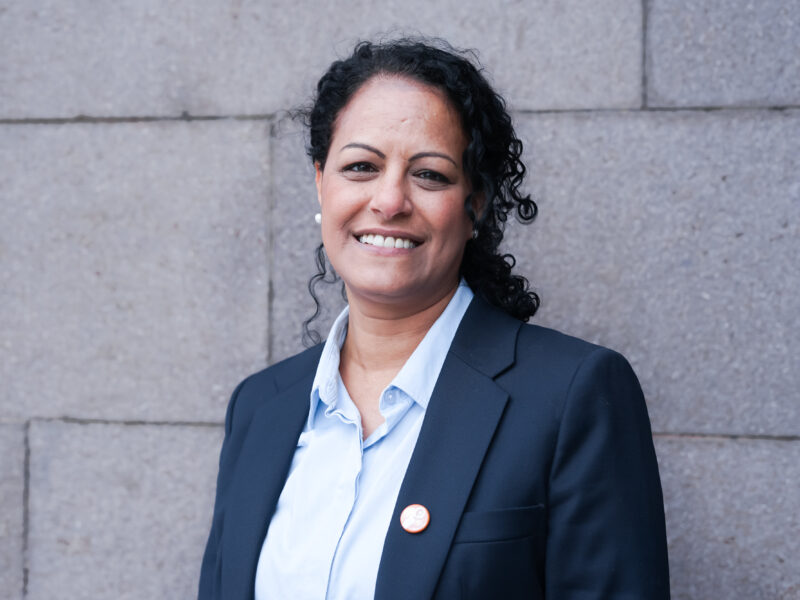
Savera UK CEO and Founder, Afrah Qassim (pictured), said: “Working on the front line, we see first-hand the impact of uninformed reporting on ‘honour’-based abuse (HBA) and harmful practices like forced marriage, FGM, conversion ‘therapy’ and spiritual abuse. Incorrect terminology, stereotyping and suggesting that these human rights violations are part of a specific culture or community is deeply harmful to already-marginalised groups. Poor reporting risks demonising communities, puts individuals at risk of harm and breaks down trust that has been hard-won by frontline organisations like Savera UK. This in turn makes it even harder for survivors and people at risk to come forward to access lifesaving and life-changing help.
“We developed our media guidelines to address the gaps in knowledge on these issues, and we are proud to see them included in The Domestic Abuse toolkit that has been created by Michelle Rawlins at the University of Sheffield, alongside other content created by our team and other survivors and specialist services. We are especially pleased to see HBA provided its own space and focus, as although a form of domestic abuse, it has specific characteristics that journalists should be aware of and consider in their reporting. The toolkit is a vital resource, and we look forward to supporting its evolution and empowering journalists with the knowledge they need to report more ethically and effectively on HBA and harmful practices.”
Domestic Abuse campaigner, Claire Throssell, whose two children were cruelly murdered by their own father, in October 2014, on a court approved access visit, said: “This toolkit will support, guide and prepare students journalists to empower and enable all victims and survivors to be able to share their experiences in a powerful and impactful way. This toolkit paves the way to reporting on an issue that affects all of society and handles correctly the articles written may lead to lasting changes in the UK and across the world.”
For more information or to access the Domestic Abuse Reporting Toolkit,
visit: https://sites.google.